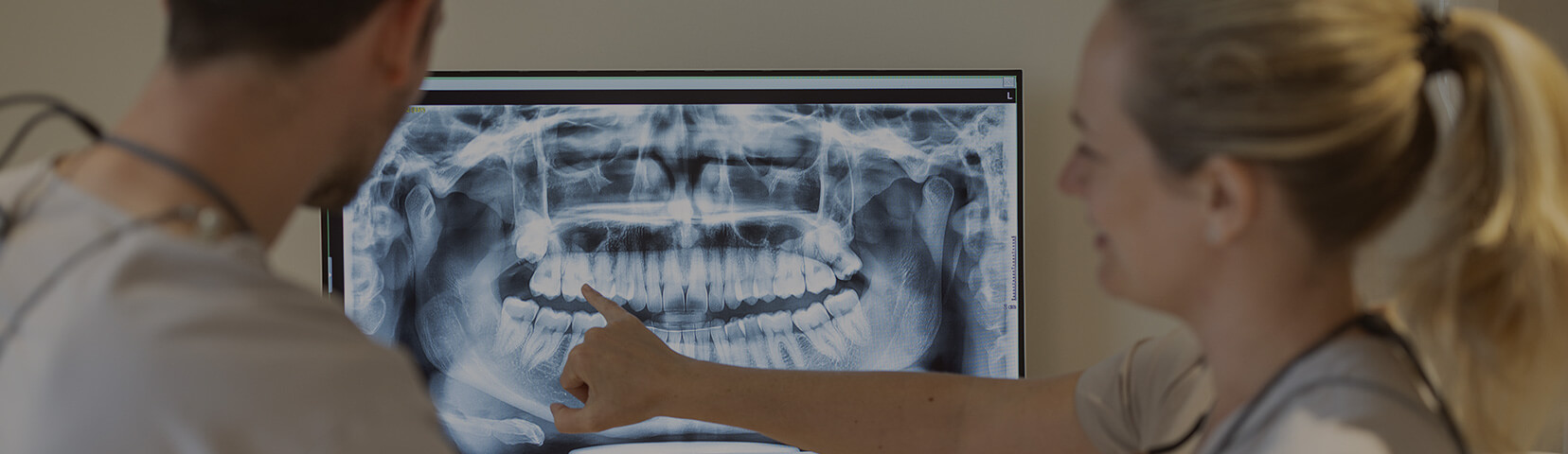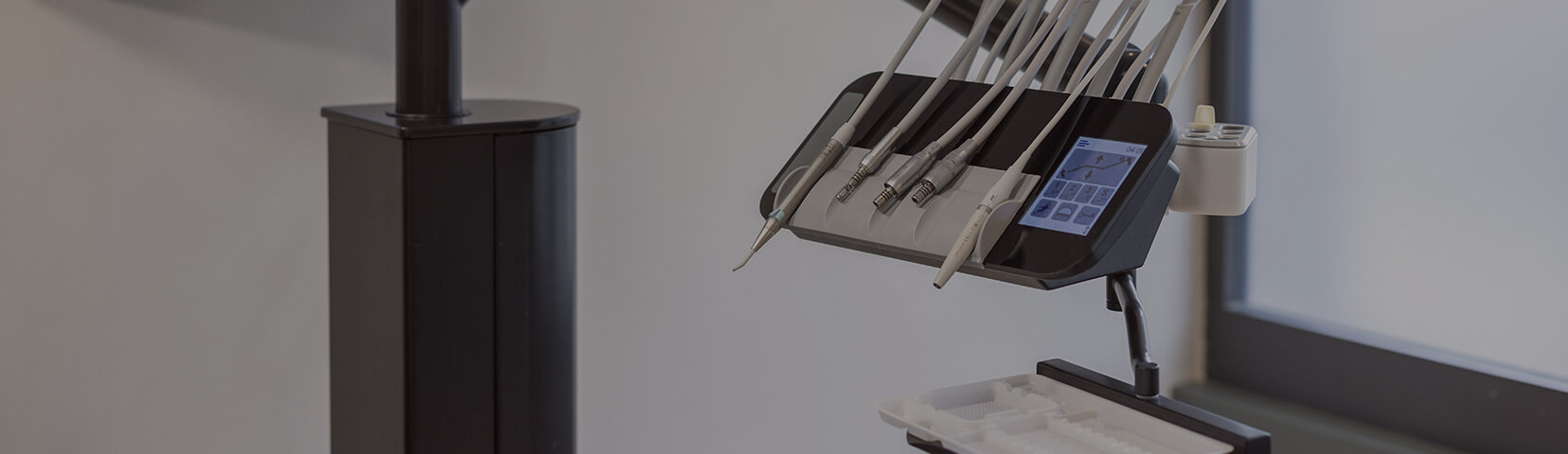


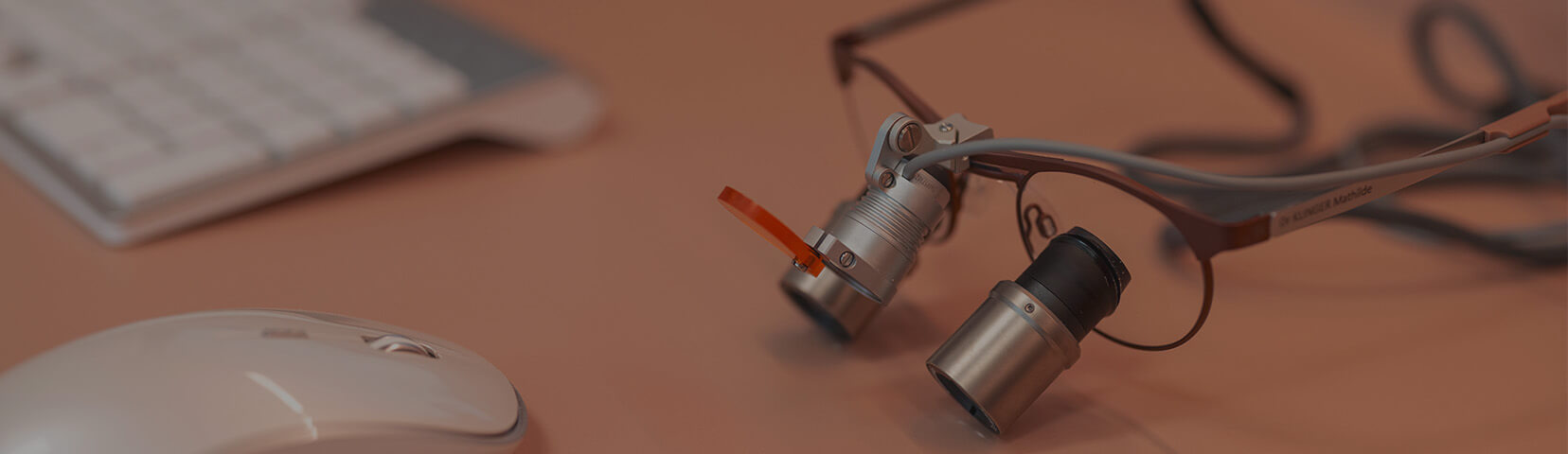
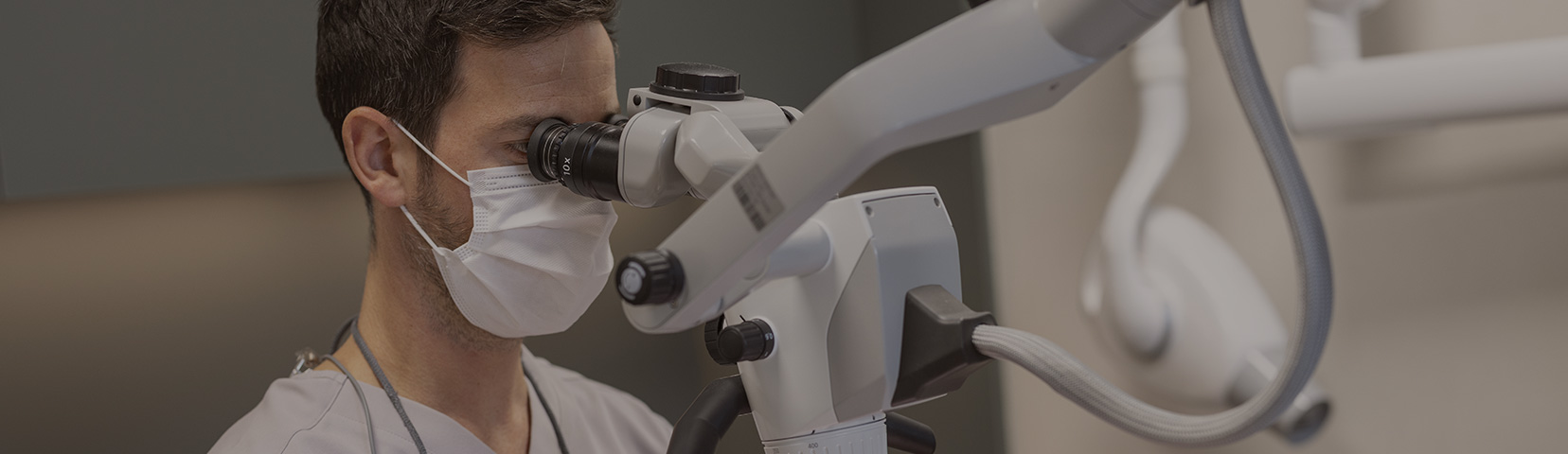
Digital dentistry is transforming how we assess and treat patients. With tools such as the intraoral camera, 3D scanners and 3D printers, we use cutting-edge technology to improve precision, speed and treatment quality.
A better patient experience thanks to digital impressions
Taking dental impressions is one of the most important steps in dentistry. Traditional methods could be uncomfortable.
Today, intraoral scanning captures precise images of the mouth.
These data are processed by design software to create dentures, orthodontic aligners or custom restorations. Digital impressions support better treatment planning and more reliable results.
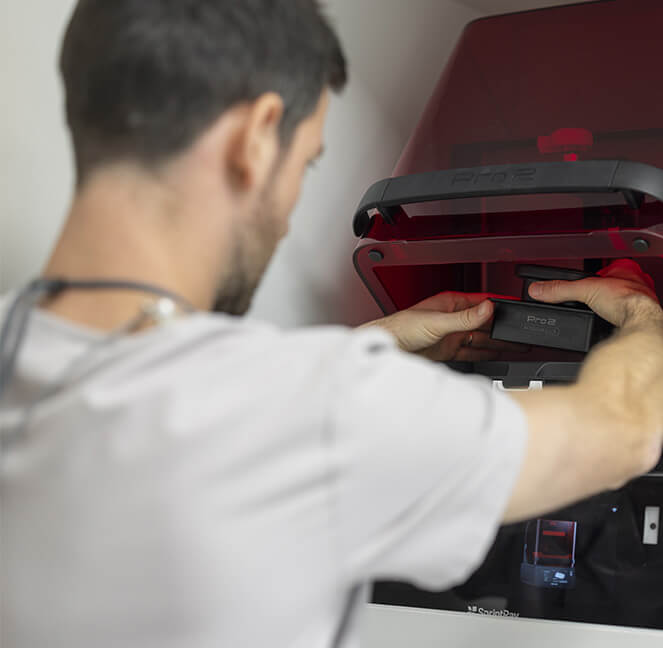
Computer-aided
manufacturing
and 3D printing
Digital manufacturing has deeply changed dental laboratories. With 3D printers, prostheses, inlays, crowns, aligners or diagnostic models can be produced directly from digital data.
This saves time, improves fit and comfort, reduces traditional errors and elevates clinical practice.
Benefits for patients
and professionals
Digital dentistry offers many advantages:
- More precise treatment planning.
- Faster, longer-lasting results.
- Better communication between dentist, patient and laboratory.
- Fewer errors thanks to accurate digital imaging.
Frequently asked questions
What are the benefits of an intraoral camera for the patient?
The intraoral camera provides precise images of teeth and oral tissues, supporting diagnosis, patient communication and treatment planning.
How does digital dentistry improve the patient experience?
It makes care faster, more precise and more comfortable. Intraoral cameras avoid unpleasant impression paste, 3D imaging supports personalised planning, and 3D printing speeds up production of prostheses or aligners.